
As negotiations resume at the Intergovernmental Negotiating Committee (INC) in Geneva, global leaders confront the complexities of ending plastic pollution—and the opportunities for innovation, equity, and advanced recycling.
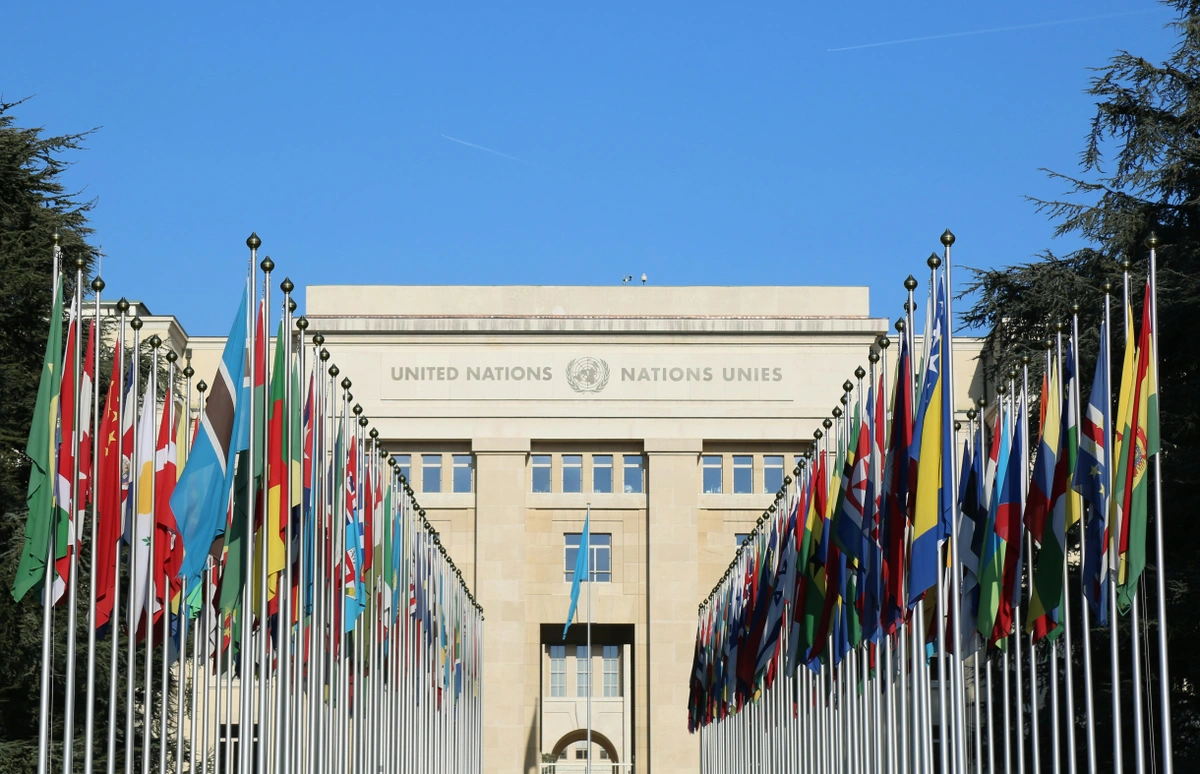
On August 5, 2025, the Intergovernmental Negotiating Committee (INC), led by the United Nations Environment Programme (UNEP), will reconvene in Geneva to continue developing the world’s first international legally binding instrument on plastic pollution, including its impact on the marine environment. This iteration of the conference, known as INC 5.2, marks the resumed fifth session of the Global Plastics Treaty negotiations, following an earlier round in Busan, Republic of Korea, in late 2024. While progress has been made, the treaty text remains unfinished—reflecting both the ambition and complexity of the effort to end plastic pollution worldwide.
The treaty’s scope: Full life cycle of plastic
From design and production to disposal and recycling—negotiators debate the future of plastic.
In 2022, the United Nations Environment Assembly adopted Resolution 5/14, titled “End Plastic Pollution: Towards an International Legally Binding Instrument.” Since then, more than 150 countries have participated in negotiations to address the full life cycle of plastic, from production and design to waste and disposal. This moment represents not only a global shift toward accountability and innovation in plastic use but also an opportunity for Canada to demonstrate leadership in environmentally sustainable waste management and renewable material use.
Product design and phase-outs: Shaping a circular economy
Better design and bans on single-use plastics are central to treaty success.
The treaty-in-progress calls for a multi-pronged strategy: reducing the production of problematic plastics, improving product design to support circular economy approaches, and ensuring sound plastic waste management practices are in place globally. However, diverging priorities among countries have slowed consensus.
A core challenge has been agreeing on definitions. What constitutes “plastic,” “plastic products,” and which chemicals are included or excluded remains under debate. Some nations oppose pre-established lists of products and chemicals, arguing it limits innovation or imposes unfair burdens; others insist that clarity is essential to effective regulation and enforcement.
The current treaty text encourages parties to improve recyclability in plastic product design, and it emphasizes the need to phase out certain plastic products and additives, particularly those that are traditionally non-recyclable or hazardous to human health and ecosystems.
Here, advanced recyclers will have a key role to play in closing the gaps in a circular plastics economy, bringing the ability to recycle plastics that mechanical recyclers cannot process.
The role of extended producer responsibility (EPR) in treaty implementation
Shifting responsibility upstream—how EPR could reshape the recycling landscape.
One of the key proposals under discussion is the implementation of Extended Producer Responsibility (EPR) schemes. EPR follows the polluter-pays principle, requiring producers to take financial and/or physical responsibility for their products at the end of their life cycle. For recyclers, especially those using chemical recycling methods, EPR could drive stronger collaboration with producers and improve feedstock supply consistency.
Delegates are also debating how to identify and mitigate plastic leakage, especially in vulnerable regions. The treaty calls for better monitoring of accumulation zones—areas where plastic waste gathers—and the development of removal strategies that do not further harm the environment.
Equity and capacity building: Including the global south in the plastics solution
Technology transfer, financing, and infrastructure support are key to treaty success.
Implementation of the treaty will hinge on robust national action plans, supported by transparent monitoring, reporting, and information exchange. Countries are expected to evaluate effectiveness regularly and make adjustments as needed.
Critically, the treaty seeks to include provisions for capacity-building, technical assistance, and technology transfer to developing nations—ensuring that all signatories, especially small island developing states and developing countries who are most affected by plastics pollution and have the greatest economic need, can meet the treaty’s goals. A proposed financial mechanism will support these efforts, potentially unlocking funding for infrastructure development, waste management systems, and innovation.
Health and harm: Including human impact in treaty language
Plastic pollution's health risks discussed amid treaty protections.
The issue of public health is also on the table, though the extent of its inclusion remains unclear. Debates continue around whether and how to incorporate health-specific obligations into the treaty. Some members have called for an article on health to extend beyond human health to also include animal and marine health, as critical to the treaty’s effectiveness.
Recycling technology and end markets: What Canadian innovators bring to the table
Chemical and advanced recycling offer promise—but only if end markets are built to match.
Another essential component is the creation of strong end markets for recycled materials. Without this, even the most advanced recycling systems face an uphill battle. As Keefe Harrison, CEO of The Recycling Partnership, explained in a recent interview, EPR alone is not enough. “Without a policy lever there, it’s just going to follow the cheapest option — if recycled content is always fighting against an influx of cheap virgin, it’s at a loss.” For both mechanical and chemical recyclers like Aduro, boosting demand for post-consumer recycled content is essential to long-term viability.
Aduro, alongside other Canadian advanced recycling companies, contributes towards Canada’s role as a leader in the plastics treaty negotiations. Aduro advocates for a strong treaty as an integral part of the policy lever required to create a circular plastics economy, and stands ready to bring clean technologies that will form a crucial link in fulfilling the treaty’s obligations.
The high-ambition coalition, Canadian stakeholder organizations, and Canada’s strategic position
HAC membership, industry alignment, and tech expertise give Canada a unique leadership opportunity.
Canada is a member of the High-Ambition Coalition to End Plastic Pollution (HAC), a bloc of countries calling for stronger, faster action. The HAC advocates for ending plastic pollution by 2040 through limits on plastic production, increased recycling, and the promotion of environmentally sustainable materials and practices.
Two Canadian organizations of which Aduro is a member are participating in the conference. The Canada Plastics Pact (CPP) is an organization that “brings together leaders from across the plastics value chain committed to eliminating waste and building a circular economy for plastics.” The Chemistry Industry Association of Canada (CIAC), similarly remains committed to keeping plastics “in the economy and out of the environment,” Both organizations will continue to advocate for a strong plastics treaty that creates a circular plastics economy through their participation in the upcoming resumed negotiations in Geneva.
This aligns closely with Canada’s national goals and offers a platform for Canadian businesses to contribute technology, policy insights, and innovation to the global effort. Canadian recycling companies like Aduro have the potential to play a key role in building the infrastructure and renewable materials ecosystem needed to meet the treaty’s ambitious targets.
Conclusion: Toward a binding agreement and a circular plastics future
The end of linear plastic production is near—but the path forward depends on bold, collaborative action.
The resumed INC 5 session (INC 5.2) in August could be a turning point. For advanced recyclers, the Plastics Treaty offers both a challenge and a strategic opportunity to help shape a truly circular, environmentally sustainable plastics economy.
While the negotiations remain complex—guided by the principle that “nothing is agreed until everything is agreed”—the direction is clear: the era of linear plastic production and disposal is ending. In its place, nations must work together to build a system that values innovation, accountability, and long-term sustainability. Canada, with its strong stance in the HAC and growing investment in advanced recycling, is well-positioned to lead.
Sources:
https://www.unep.org/inc-plastic-pollution/session-5.2
https://hactoendplasticpollution.org/
https://plasticspact.ca/
https://canadianchemistry.ca/what-we-do/plastics-division/
Forward-Looking Statements Disclaimer
This blog post contains forward-looking statements within the meaning of applicable Canadian and U.S. securities laws, including the Private Securities Litigation Reform Act of 1995. Forward-looking statements are based on the current expectations, estimates, projections, beliefs, and assumptions of Aduro Clean Technologies Inc. (“Aduro”) regarding future events and developments, including but not limited to the anticipated outcomes of the Global Plastics Treaty negotiations, Aduro’s role in treaty implementation, and the potential impact on advanced recycling technologies and market demand. Such statements are identified by words such as “expects,” “intends,” “believes,” “anticipates,” “plans,” “may,” “will,” “could,” “should,” “would,” “estimate,” “forecast,” and similar expressions. These statements are not guarantees of future performance and involve known and unknown risks, uncertainties, and other factors that may cause actual results, performance, or achievements to differ materially from those expressed or implied by the forward-looking statements. Material risks and uncertainties include, but are not limited to, changes in regulatory frameworks, market conditions, technological developments, and the outcome of international treaty negotiations. Readers are cautioned not to place undue reliance on these forward-looking statements. Except as required by applicable law, Aduro undertakes no obligation to update or revise any forward-looking statements, whether as a result of new information, future events, or otherwise.